
A termite inspection is a methodical check of a property to find evidence of termites, conditions that attract them, and any damage already done. In Australia, this usually follows Australian Standards and focuses on areas where subterranean termites commonly travel, such as subfloors, slab edges, gardens, and moisture-prone zones.
They should treat it as a practical risk assessment, not just a quick look around.
What is a termite inspection and what does it aim to find?
A termite inspection aims to detect termite activity, past activity, and the environmental conditions that make an attack more likely. They are looking for live termites, mud leads, damaged timbers, and hidden entry points.
It also flags risk factors like poor drainage, leaking pipes, timber-to-ground contact, and blocked weep holes. The goal is clear: identify where termites are, how they could get in, and what should be fixed to reduce risk.
What should happen before the inspection starts?
Before any tools come out, the inspector should confirm the property details and access points. They may ask if there have been previous treatments, renovations, or known termite issues, especially common in older homes across Sydney, Brisbane, Perth, and regional coastal areas.
They should also explain limits up front, such as stored items blocking walls or tight subfloor clearance. This matters because a termite inspection can only report on areas they can reasonably access and see.
How do they check the outside of the home first?
They usually start outside because many termite problems begin at ground level and move inward. They check the perimeter, slab edges, external walls, fences, retaining walls, and garden beds close to the building.
They look for mud tubes, termite workings, damaged timber, and damp zones. They also note whether soil or mulch is too high against the house, which can hide entry points and increase risk during a termite inspection.
What do they look for in gardens, landscaping, and timber structures?
They focus on anything that can feed termites or conceal activity. That includes tree stumps, stacked firewood, sleeper gardens, timber edging, pergola posts, and outdoor steps.
They also check whether timber structures touch soil, since this can create a direct pathway. In many Australian homes, fences and retaining walls are a common starting point, so they are often closely assessed during a termite inspection.
How is the subfloor inspected in a step-by-step way?
If the home has a subfloor, they will enter it when safe and accessible. They typically scan ant caps, piers, bearers, joists, and the internal perimeter, then work section by section to avoid missing areas.
They also look for moisture sources like leaking plumbing, poor ventilation, or water pooling. A thorough subfloor check is often where a termite inspection finds early signs because termites prefer concealed, humid routes.
How do they inspect slab-edge and modern slab-on-ground homes?
For slab homes, they focus on the slab edge, weep holes, expansion joints, and any penetration points like pipes and conduits. They check for bridging, where soil, paving, or render covers the slab edge and lets termites bypass visible inspection zones.
They also inspect attached garages and alfresco areas, because changes in levels and drainage can create hidden entry routes. This part of the termite inspection is about finding how termites could enter without being seen.
What happens during the internal inspection room by room?
Inside, they inspect accessible areas in each room, especially along skirtings, door frames, window frames, and wet-area walls. They may lightly tap timber to listen for hollow sounds and look for blistered paint, fine cracking, or sagging surfaces.
They also check cupboards, built-ins, and the backs of wardrobes where possible. A good termite inspection stays systematic, so no room is skipped just because it “looks fine”. Checkout more about Inspect for and report on timber pests.
How do they check high-risk wet areas like bathrooms and laundries?
Wet areas are high risk because termites are strongly attracted to moisture. They check around showers, vanities, toilets, laundry troughs, and any visible pipework for leaks, swelling, or damaged trims.
They may also look for mould or persistent damp smells as a clue to hidden moisture. In many cases, the most useful outcome of a termite inspection is identifying a moisture issue that needs fixing to reduce termite pressure.
What tools and technology do they use during a termite inspection?
Most inspectors use a mix of visual checks and specialist tools. Common tools include moisture meters, thermal imaging cameras, sounding tools, and torches, plus ladders for roof void access where safe.
Thermal and moisture readings can help identify anomalies that deserve closer attention, but they do not “see through walls” with certainty. Tools support judgement, and a termite inspection still relies heavily on trained observation and experience.
How do they inspect the roof void and what are they looking for?
Where accessible, they check the roof void for timber damage, mudding on framing, and signs of moisture from roof leaks or condensation. They also look around penetrations, like chimney areas and bathroom exhaust points, where moisture can collect.
They should move carefully to avoid ceiling damage and only enter when safe. While roof void issues are less common than ground-level entry, the roof space still matters in a termite inspection.
How do they identify termite damage versus other timber problems?
They look at the pattern and texture of damage. Termite damage often follows the grain, can appear layered, and may include mud-like material. Borers typically leave small round exit holes and fine frass, while fungal decay often looks darker and crumbly.
They also consider location and moisture readings. A reliable inspector will explain the difference clearly, because misreading damage can lead to wasted costs after a termite inspection.
What are the common limitations that affect inspection results?
The biggest limitation is access. Furniture against walls, stored items in garages, low subfloors, locked rooms, dense landscaping, and inaccessible roof voids can all reduce what they can inspect.
Wall linings and tiled areas also conceal framing, so some termite activity can remain hidden. That is why a termite inspection is a snapshot of accessible evidence on the day, not an absolute guarantee that termites are not present.
What does the report usually include after the inspection?
The report typically lists areas inspected, areas not inspected, and the evidence found, if any. It should describe termite activity or damage, moisture readings where relevant, and risk factors like bridging, poor drainage, and timber-to-ground contact.
It usually includes photos and prioritised recommendations. A clear report is one of the most valuable outcomes of a termite inspection, because it tells them exactly what to act on first.
What recommendations might they make if termites are found?
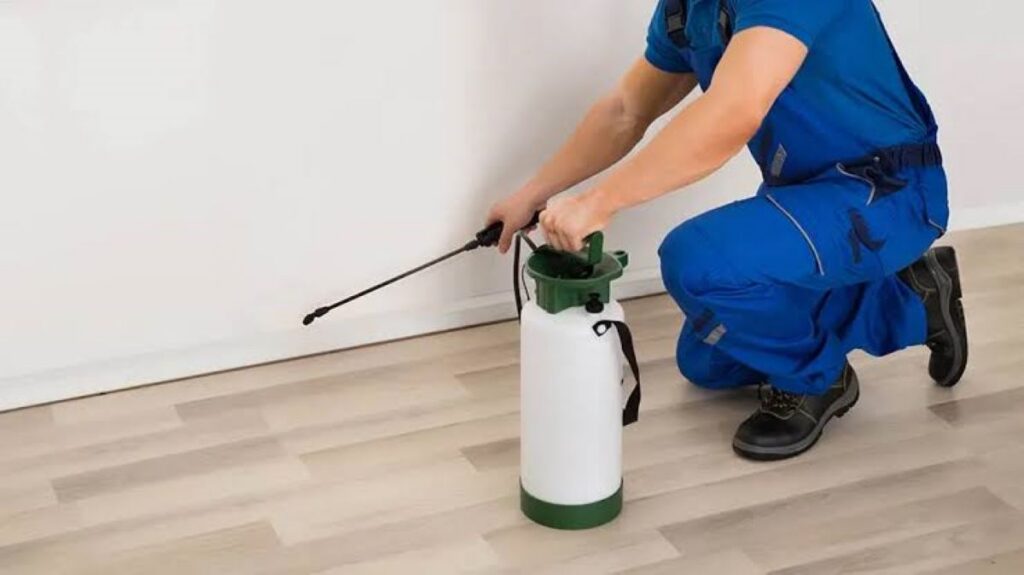
If live termites or fresh workings are found, they usually recommend an urgent treatment plan. That may involve baiting systems, chemical soil treatments, dusting, or targeted treatment depending on the situation and local conditions.
They may also advise repairs only after treatment is complete, so they do not disturb termites and push them deeper into the structure. After a confirmed finding, a termite inspection often becomes the starting point for a broader management programme.
What if no termites are found, but risk factors are present?
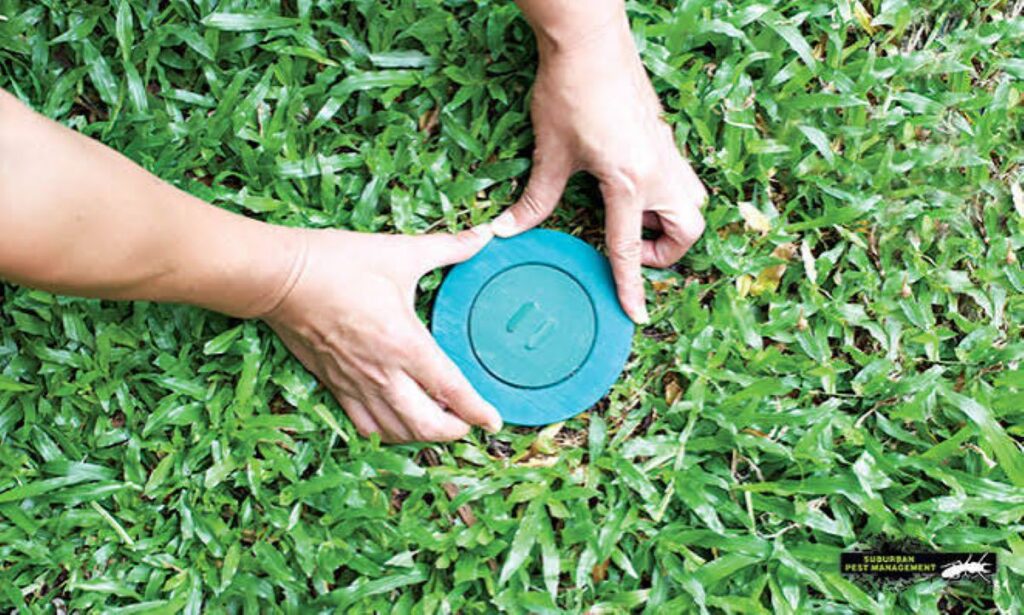
If no activity is detected, they may still recommend improvements to lower the risk. That can include fixing leaks, improving drainage, lowering garden beds, clearing weep holes, and removing timber contact with soil.
They might also suggest installing or maintaining a termite management system, especially in known high-risk Australian areas and suburbs. In practice, many people book a termite inspection to catch these risks early, before damage occurs.
How long does a termite inspection take and how often should it be done in Australia?
Most inspections take around 60 to 120 minutes, depending on size, access, and construction type. A larger home with a subfloor, multiple outbuildings, or heavy storage usually takes longer.
In Australia, they commonly arrange inspections at least annually, with more frequent checks in high-risk areas or where previous activity has occurred. Regular termite inspection scheduling is one of the simplest ways to reduce the chance of surprise damage.
What should they do to prepare the property for the best result?
They should clear access to walls in garages, move items away from skirtings where possible, and unlock subfloor and roof access points. They should also trim dense plants near the house and avoid stacking timber or cardboard against external walls.
If there are known leaks or problem spots, they should point them out. Good preparation helps the termite inspection cover more ground and produce a more useful, accurate report.
What should they do immediately after receiving the report?
They should address urgent items first, especially live activity, high moisture issues, and any bridging that blocks inspection zones. They should keep the report for future reference, since it establishes a baseline for the next visit.
If treatments are recommended, they should request a clear scope, product details, and ongoing monitoring requirements. The real value of a termite inspection comes from acting on the findings, not just filing the paperwork.
Related : How Long Does Termite Control Usually Take
FAQs (Frequently Asked Questions)
What is a termite inspection and what does it aim to find?
A termite inspection is a thorough examination of a property to detect live termites, past termite activity, and environmental conditions that increase the risk of infestation. Inspectors look for signs such as mud leads, damaged timber, hidden entry points, and risk factors like poor drainage or timber-to-ground contact to identify where termites are present and how to prevent future attacks.
How should a termite inspection be conducted before starting the assessment?
Before beginning the inspection, the inspector should confirm property details and access points, inquire about any previous termite treatments or renovations, and explain any limitations such as stored items blocking walls or restricted subfloor access. This ensures the inspection focuses on accessible areas and provides an accurate risk assessment.
What areas are checked during the external part of a termite inspection?
The external inspection involves examining the property perimeter, slab edges, external walls, fences, retaining walls, and nearby garden beds. Inspectors look for mud tubes, termite workings, damaged timber, damp zones, and whether soil or mulch is piled too high against the house, which can conceal entry points and elevate termite risk.
How do inspectors assess gardens and timber structures for termite risks?
Inspectors focus on elements that can feed termites or hide their activity such as tree stumps, stacked firewood, sleeper gardens, timber edging, pergola posts, outdoor steps, fences, and retaining walls. They check for direct soil-to-timber contact which creates pathways for termites to enter buildings.
What is involved in inspecting subfloors during a termite inspection?
When safe and accessible, inspectors enter subfloors to examine ant caps, piers, bearers, joists, internal perimeters section by section. They also look for moisture sources like leaking plumbing or poor ventilation. Subfloor inspections often reveal early signs of termite activity due to the concealed humid environment termites prefer.
What tools and techniques are used in a comprehensive termite inspection?
Inspectors combine visual checks with specialist tools including moisture meters, thermal imaging cameras, sounding tools, torches, and ladders for roof void access. These tools help detect anomalies indicating termites but rely heavily on trained observation and expertise since no tool can guarantee seeing through walls completely.