

Cataract surgery is the most frequently performed elective procedure in Australia, yet many patients are blindsided by the final bill. Whether you are navigating the public system or choosing a private specialist, understanding the real cost of cataract surgery in Australia: Medicare, private health, and hidden fees explained is essential for financial planning and peace of mind.
In Australia, the price of restoring your vision varies significantly based on your location, your choice of lens (IOL), and your level of insurance coverage. While Medicare provides a safety net, “free” surgery often comes with a long wait, while “private” surgery can range from a few hundred to several thousand dollars in out-of-pocket expenses.
See more: SMILE Laser Eye Surgery Cost in Australia: What You Should Expect
Understanding the Basics: What is Cataract Surgery?
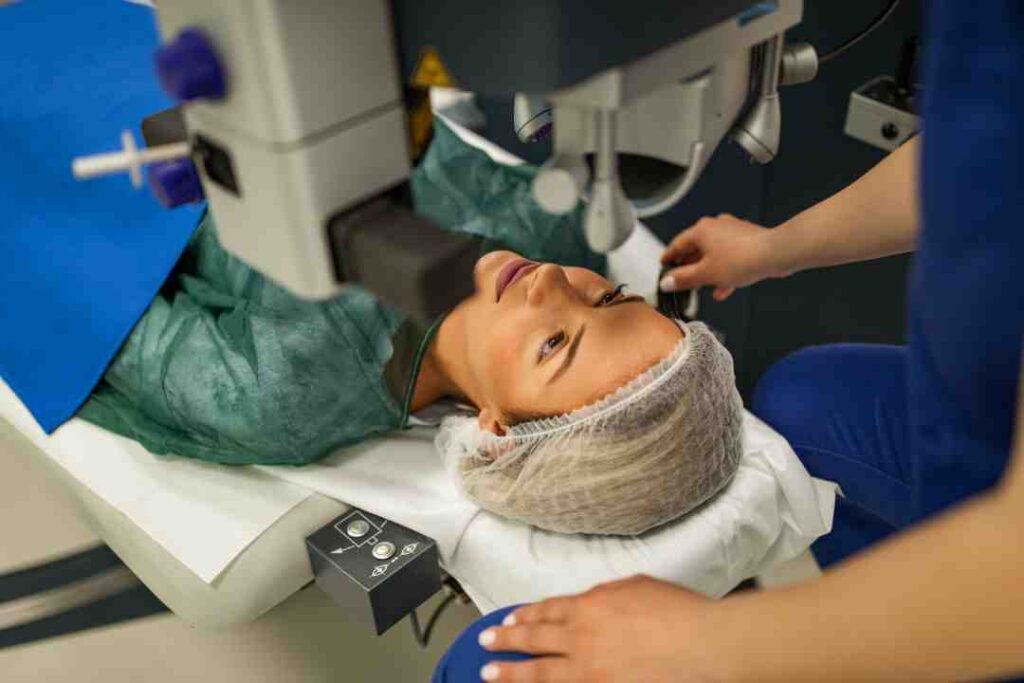
A cataract occurs when the eye’s natural lens becomes cloudy, leading to blurred vision and increased glare. Surgery involves removing this cloudy lens and replacing it with an artificial Intraocular Lens (IOL).
In Australia, this is typically performed as a day surgery under local anaesthesia. While the procedure itself is highly standardized, the financial structures surrounding it are complex, involving three primary pillars: Medicare, private health funds, and the patient’s out-of-pocket contribution.
Public vs. Private: The Two Paths to Vision Restoration
The Australian healthcare system offers two distinct pathways for cataract removal. Your choice between them is the single biggest factor in determining your final cost.
1. The Public System (Medicare)
If you choose to be a public patient in a public hospital:
- Cost: Generally $0 (fully bulk-billed).
- Trade-off: You cannot choose your surgeon, and you may wait 6 to 18 months depending on your state and the urgency of your case.
- Lenses: Usually limited to standard monofocal lenses.
2. The Private System
If you choose a private surgeon:
- Cost: Varies from $1,500 to $5,000+ per eye.
- Benefit: Minimal waiting times (often 2–4 weeks), choice of surgeon, and access to premium lens technology (e.g., multifocal or trifocal lenses).
- Coverage: Costs are split between Medicare, your private health insurer, and you.
Breaking Down the Real Cost of Cataract Surgery in Australia
When analyzing the real cost of cataract surgery in Australia: Medicare, private health, and hidden fees explained, it is helpful to look at the specific components of the bill.
Surgeon Fees and the “Gap”
Surgeons set their own rates. Medicare provides a rebate for a portion of the fee (based on the Medical Benefits Schedule or MBS). If the surgeon charges above the MBS fee, you pay the “gap.” In the private sector, a surgeon’s fee might be $1,500, but Medicare may only cover a few hundred dollars.
Anaesthetist Fees
Often overlooked, the anaesthetist bills separately. While most cataract surgeries use “twilight” sedation, their expertise is a mandatory cost. Like surgeons, they may charge a gap fee that is not fully covered by Medicare or private insurance.
The Hospital or Day Surgery Fee
This covers the use of the operating theatre, nursing staff, and consumables. If you have private health insurance, this is usually covered (minus your chosen excess). Without insurance, this fee can be $1,500 to $2,500 per eye.
The Intraocular Lens (IOL) Cost
- Monofocal Lenses: Typically covered by insurance or the public system.
- Premium Lenses (Multifocal/Toric): These correct astigmatism or allow for both near and far vision. Some insurers cover the base cost, but “gap” payments for high-tech lenses are common.
How Private Health Insurance Impacts Your Bill
Having private health insurance does not mean the surgery is free. Its primary role is to cover the hospital theatre fees and a portion of the prosthetic (lens) costs.
| Expense Item | With Private Health (Gold/Silver) | Without Private Health (Self-Funded) |
| Surgeon Fee | $500 – $1,500 (Gap) | $1,500 – $3,000 |
| Hospital Stay | Covered (minus excess) | $1,500 – $2,500 |
| Anaesthetist | $200 – $500 (Gap) | $600 – $1,000 |
| Standard Lens | Covered | $300 – $500 |
| Total Per Eye | $700 – $2,000+ | $3,900 – $7,000+ |
Note: Always check if your policy includes “Cataracts.” Many Basic or Bronze-level policies exclude this procedure to keep premiums low.
Hidden Fees to Watch Out For
The “sticker price” provided during an initial consultation often excludes secondary costs. To avoid surprises, ask about:
- Initial Consultation Fees: Often $200–$400, with only a small Medicare rebate.
- Diagnostic Imaging: Pre-operative measurements (Biometry) and scans (OCT) may be billed separately.
- Post-Operative Eye Drops: Medicated drops to prevent infection can cost $50–$100 at the pharmacy.
- Follow-up Appointments: Some surgeons include the first check-up in their fee; others bill it as a new consultation.
- Laser-Assisted Surgery: If your surgeon uses a femtosecond laser rather than traditional manual methods, there is often an additional “technology fee” of $500–$1,000 per eye that is rarely covered by insurance.
Step-by-Step: Navigating the Financial Process
To ensure you get the best value and care, follow this framework:
- Step 1: Get a Referral. See your optometrist or GP. In Australia, an optometrist is often the first to detect cataracts and can refer you directly to an ophthalmologist.
- Step 2: Check Your Insurance. Call your provider and ask specifically: “Am I covered for MBS item numbers 42702 (cataract extraction) and 42701?”
- Step 3: Request a “Informed Financial Consent” Document. By law, private surgeons must provide a written estimate of all fees before the procedure.
- Step 4: Compare Quotes. Fees vary wildly between clinics in major cities like Sydney or Melbourne versus regional areas.
Common Mistakes and How to Avoid Them
- Mistake: Assuming “Private” means “All Included.” Many patients are shocked by the anaesthetist’s bill arriving weeks after surgery. Always ask for the anaesthetist’s contact details to get a quote.
- Mistake: Not checking the Medicare Safety Net. If you have high medical costs in a calendar year, Medicare may increase your rebate amount. Ensure your family is registered as a “Safety Net Group.”
- Mistake: Choosing the wrong insurance tier. Upgrading your insurance to cover cataracts usually requires a 12-month waiting period. Don’t wait until your vision is failing to check your policy.
FAQ: Frequently Asked Questions
Is cataract surgery free with a Pensioner Concession Card?
In the public hospital system, yes. However, if you see a private surgeon, being a pensioner does not guarantee a bulk-billed experience, though some surgeons may offer a reduced gap.
Why is there such a big difference in prices between surgeons?
Surgeon fees reflect their experience, the technology used (such as laser-assisted systems), and the overhead costs of their specific clinic.
Does Medicare cover the cost of premium multifocal lenses?
Medicare and private health funds generally only cover the cost of a “clinically necessary” monofocal lens. If you opt for a premium lens to eliminate the need for glasses, you will likely pay the price difference.
Can I claim the gap fee on my tax return?
Generally, no. The Net Medical Expenses Tax Offset has been phased out for most Australians. Consult a tax professional for specific advice regarding your circumstances.
What happens if I need surgery on both eyes?
Cataract surgery is typically performed one eye at a time, usually a few weeks apart. This means you will face the surgeon and hospital fees twice.
Conclusion: Planning for Your Procedure
Navigating the real cost of cataract surgery in Australia: Medicare, private health, and hidden fees explained requires a balance between your clinical needs and your budget. While the public system offers an excellent clinical outcome at no cost, the private system provides speed and customized visual results for those willing to pay the gap.
Before committing to surgery, ensure you have a clear, written quote that includes the surgeon, the anaesthetist, and the hospital fees. By understanding these components, you can focus on what truly matters: regaining your clear vision.
Next Step: Consult with your optometrist to determine the current stage of your cataracts and request a referral to a surgeon who provides transparent “Informed Financial Consent.”
Internal Linking Suggestions:
- Anchor Text: “Australian Medicare Safety Net explained”
- Anchor Text: “Difference between monofocal and multifocal lenses”
- Anchor Text: “Private health insurance tiers Australia”
- Anchor Text: “How to prepare for eye surgery recovery”
External Reference Suggestions:
- Healthdirect Australia (Government-funded health information)
- The Royal Australian and New Zealand College of Ophthalmologists (RANZCO) (Professional peak body)