
Termites rarely announce themselves, and that is why timing matters. When a property owner in Australia books termite control, they usually want one clear thing: how long it will take until the problem is handled and the home is protected.
In practice, the timeline depends on the type of termites, the size of the infestation, access to the subfloor or roof void, and the treatment method chosen. Termite control can be fast for minor activity, but it can also run across weeks or months when monitoring and colony elimination are needed.
How long does termite control usually take from first call to treatment?
Most jobs move from first contact to treatment within a few days to two weeks, depending on technician availability and urgency. If there are clear signs of live activity, many Australian pest managers prioritise an inspection quickly, then schedule treatment straight after.
Delays usually come from access issues, tenant coordination, or the need to identify termites precisely. A good operator will not rush the diagnosis, because the wrong approach can waste time and money in termite control.
What happens during a termite inspection, and how long does it take?
A standard inspection usually takes 60 to 120 minutes for an average Australian home. Larger properties, complex extensions, tight subfloors, or heavy storage can push it longer.
The inspector looks for live termites, damage, moisture conditions, entry points, and risk factors like garden beds against walls. This step sets the strategy for termite control, so thoroughness here often shortens the overall timeline later.
How quickly can termite control stop active termites?
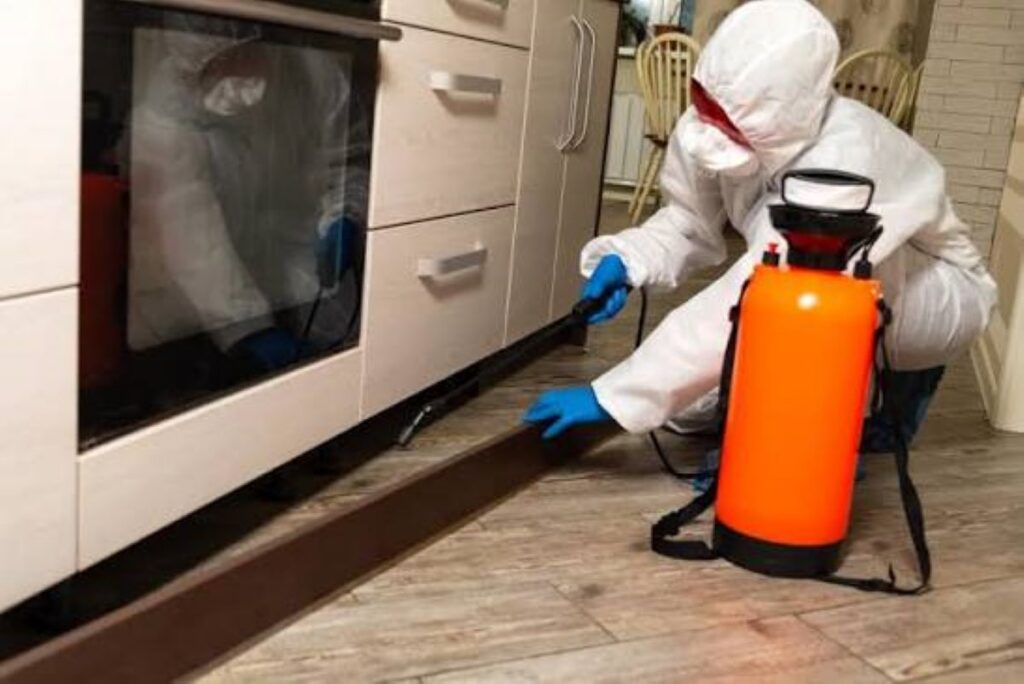
Some treatments can reduce activity within hours, but full resolution often takes longer. For example, a fast-acting foam or dust applied to active workings may stop visible movement quickly, yet that does not always mean the colony is eliminated.
The goal of termite control is not just to quieten activity. It is to remove the colony pressure and stop re-entry, which may require follow-up checks even when the home seems calm.
How long does a chemical soil barrier treatment take?
Installing a chemical barrier often takes half a day to a full day for a typical home, sometimes longer if trenching and drilling are extensive. Homes with concrete paths, patios, or difficult perimeter access can add time because more drilling and sealing is required.
After installation, the property is usually usable immediately, although the technician may advise limiting disturbance near trenched areas. This is a common choice for termite control where long-term protection is the priority.
How long does baiting take compared with other termite control methods?
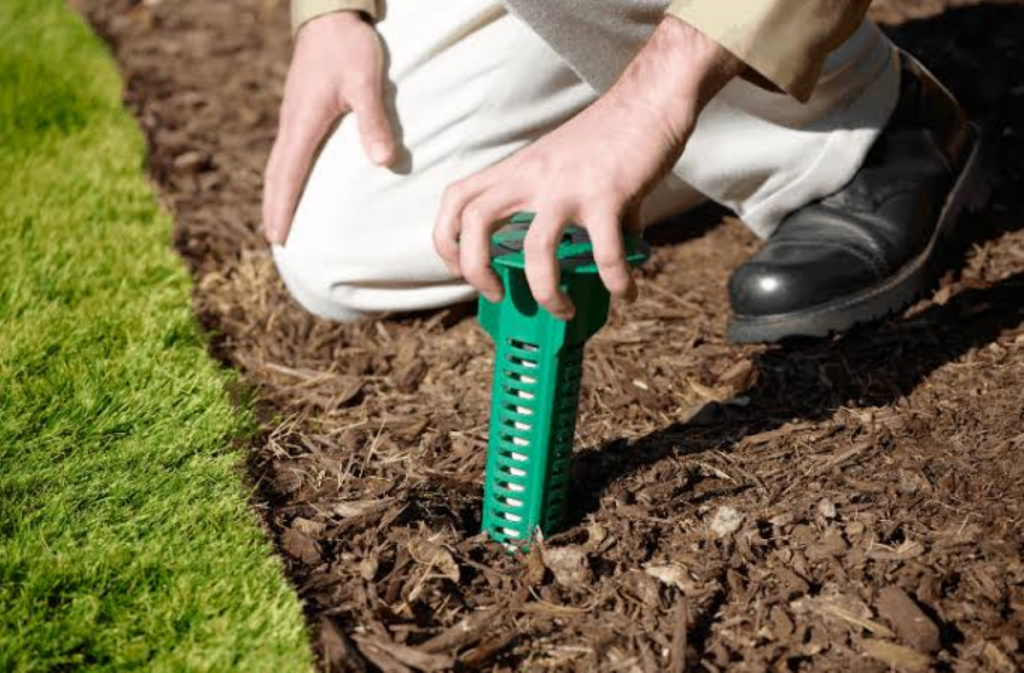
Baiting is usually the slowest path to colony elimination, but it can be very effective. The installation appointment may take 1 to 3 hours, yet the overall programme often runs from 6 weeks to 6 months, and sometimes longer in cooler seasons.
Baits work by allowing termites to feed and share the bait through the colony. That time lag can frustrate owners, but in many scenarios it is the best termite control option when chemical barriers are difficult or when colony elimination is the main aim.
How long do termite dusting and foam treatments take?
The on-site application is often quick, commonly 30 minutes to 2 hours depending on access and the number of active areas. Dusting is designed to spread through grooming and social behaviour, so results are not always immediate.
Foams can be useful in wall cavities or localised timbers and can be applied with minimal disruption. Even when these methods are used, responsible termite control usually includes a plan to prevent future entry, not just treat the visible spot.
How long does fumigation take in Australia, and is it common for termites?
Fumigation is not commonly used for subterranean termites in Australian homes, because it does not address the nest in the ground. Where it is used, it generally involves sealing the structure and can take several days including aeration time.
For drywood termites, fumigation may be considered in limited situations, but localised treatments are often preferred when feasible. A technician should explain why fumigation is or is not appropriate for termite control on that specific property.
How many visits are usually needed to finish termite control?
It depends on the method. A chemical barrier may be completed in one main visit plus a follow-up inspection, while baiting requires multiple visits over months to check, replenish, and confirm suppression.
Many reputable providers build follow-ups into the plan because termite risk in Australia is ongoing. The best termite control outcomes usually come from a treatment plus a monitoring rhythm, rather than a single “set and forget” appointment.
See Also : How a Termite Inspection Works, Step By Step
What factors can make termite control take longer than expected?
The biggest time-extenders are hidden access issues and incomplete information at the start. Tight subfloors, locked roof spaces, built-in cabinetry covering damage, and renovations can slow both diagnosis and treatment.
Weather and site conditions matter too, especially for soil work around the perimeter. If the ground is saturated or access is blocked by hard landscaping, termite control may need to be staged or adjusted to get proper coverage.
How long until a property is considered protected after termite control?
Protection can begin immediately after a correctly installed barrier, but “protected” is not the same as “termite-proof”. Australian standards and good practice focus on reducing risk and creating manageable inspection zones.
For baiting, protection improves as the colony declines, but monitoring still matters because new colonies can move in. Most professionals will recommend regular inspections even after termite control is completed.
How long do repairs take, and should they wait until after termite control?
Repairs should generally wait until the termite issue is confirmed as addressed, especially if structural timbers are involved. Treatment first prevents repairing over live activity, which can trap termites or hide evidence.
Repair time varies widely, from a day for minor timber replacement to weeks for major structural work. Coordinating trades after termite control is often the fastest way to avoid rework and repeated call-outs.
How can they speed up termite control without cutting corners?
They can speed things up by preparing access and documentation before the inspection. Clearing stored items from subfloor entries, ensuring the manhole is reachable, and providing renovation plans can save time.
They should also avoid DIY spraying, which can cause termites to spread and become harder to track. The fastest termite control usually comes from early professional assessment, clear access, and choosing a method that suits the building and termite species.
How do they know termite control has worked, and how long should they monitor?
They know it has worked when follow-up inspections show no live activity, no new damage, and monitoring points remain clear. With barriers, they monitor the condition of the treated zone and check for bridging issues like mulch, soil build-up, or leaking pipes.
With baits, they track feeding patterns until activity stops and then continue periodic checks. In most Australian regions, ongoing inspection is part of responsible termite control, because termite pressure can return even after successful treatment.
What is a realistic termite control timeline for a typical Australian home?
A realistic timeline is: inspection within a week, treatment within days after approval, then follow-up over the next 4 to 12 weeks depending on method. Barrier work may feel “done” in a day, while baiting takes longer but can provide colony-level results.
The most accurate timeline comes from a technician who has inspected the site and explained the plan step by step. When termite control is approached methodically, the process is usually faster overall, with fewer surprises and better long-term protection.
FAQs (Frequently Asked Questions)
How long does termite control usually take from the first call to treatment in Australia?
Most termite control jobs in Australia progress from the initial contact to treatment within a few days to two weeks, depending on technician availability and urgency. Quick inspections and treatments are prioritised when live activity is evident, although delays can occur due to access issues, tenant coordination, or the need for precise termite identification.
What happens during a termite inspection and how long does it typically last?
A standard termite inspection for an average Australian home usually takes between 60 to 120 minutes. Inspectors thoroughly check for live termites, damage, moisture conditions, entry points, and risk factors such as garden beds against walls. Larger properties or complex structures may require longer inspections. This detailed assessment helps set an effective termite control strategy.
How quickly can termite control methods stop active termites?
Certain treatments like fast-acting foams or dusts can reduce visible termite activity within hours; however, complete colony elimination often takes longer. The primary goal of termite control is not just to halt activity temporarily but to remove colony pressure and prevent re-entry, which may necessitate follow-up checks even after visible signs have ceased.
How long does chemical soil barrier treatment take and what should homeowners expect?
Installing a chemical soil barrier typically takes half a day to a full day for a standard home in Australia. Properties with concrete paths, patios, or difficult perimeter access may require additional time due to necessary drilling and sealing. After installation, the property is generally usable immediately, though technicians might advise limiting disturbance near trenched areas to ensure effectiveness.
What is the duration of baiting programs compared to other termite control methods?
Baiting is usually the slowest method for colony elimination but can be highly effective. While installation appointments take about 1 to 3 hours, the overall baiting programme can span from six weeks up to six months or longer during cooler seasons. Baits work by allowing termites to feed and share the bait throughout the colony, requiring patience from property owners.
Why might termite control take longer than expected and what factors influence this?
Termite control timelines can extend due to hidden access issues such as tight subfloors, locked roof spaces, built-in cabinetry covering damage, or ongoing renovations. Weather conditions and site challenges like saturated ground or hard landscaping also impact treatment scheduling and effectiveness. Proper access and thorough information at the start are crucial for timely and successful termite control.